
Unraveling the intriguing evolution of gambling through the ages
The Origins of Gambling
The history of gambling can be traced back thousands of years, with its origins found in ancient civilizations. Archaeological evidence suggests that games of chance were played in Mesopotamia around 3000 BC, where dice made of animal bones have been discovered. These early forms of gambling served various purposes, including entertainment, decision-making, and even divination. As the industry has evolved, the rise of online gambling sites has further transformed the way people engage with these age-old practices.

As civilizations progressed, gambling became more structured. The Chinese developed a form of gambling known as “Keno” around 200 BC, which is considered one of the oldest lottery systems. This evolution marked the transition from informal games to more organized and socially accepted forms of gambling, reflecting changing societal attitudes toward chance and luck.
The Rise of Gambling in the Middle Ages
The Middle Ages saw a significant transformation in gambling practices across Europe. Card games emerged during this period, and by the 14th century, they gained immense popularity among the aristocracy. Gambling houses began to appear, providing a more formalized environment for betting activities, which were often associated with social gatherings and entertainment.
During this time, gambling was not merely an amusement; it became intertwined with the culture and economy. Games like “Baccarat” and “Poker” were introduced, reflecting the societal shifts and increasing sophistication in gaming strategies. The growing acceptance of gambling led to regulations and the establishment of laws that governed these activities, laying the groundwork for modern gambling legislation.
The Birth of Modern Gambling Institutions
The 18th century heralded the establishment of the first official gambling houses and casinos, particularly in Europe. The Casino di Venezia, founded in 1638, is recognized as the oldest casino still in operation today. This period marked the birth of modern gambling institutions, where various games became formalized and standardized, drawing a wider audience.
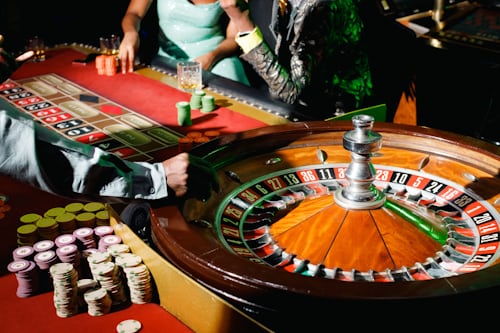
As gambling became more popular, different cultures began to create their unique games and rules, leading to a rich tapestry of gambling traditions worldwide. The invention of roulette in France in the late 18th century and the introduction of slot machines in the late 19th century further diversified the gambling landscape, making it accessible to all social classes.
The Digital Revolution and Online Gambling
The late 20th century marked a significant turning point in the evolution of gambling with the advent of the internet. Online gambling platforms emerged, allowing players to engage in their favorite games from the comfort of their homes. This shift not only expanded the audience for gambling but also introduced innovative features such as live dealer games and mobile betting apps.
The rapid growth of online gambling has raised concerns regarding addiction and responsible gaming. As a result, many jurisdictions have implemented regulations to protect players and promote responsible gambling practices. This era illustrates the ongoing evolution of gambling, adapting to technological advancements while addressing new challenges.
Staying Informed in the Gambling Industry
As the gambling industry continues to evolve, staying informed is essential for players and stakeholders alike. Websites dedicated to providing news and information about the gambling sector play a crucial role in keeping users updated on trends, regulations, and responsible gambling strategies. These resources often help individuals navigate the complex landscape of gambling.
By offering insights into the latest developments and potential risks, these platforms empower users to make informed decisions. Whether someone is a casual player or a serious gambler, access to reliable information ensures they can engage with the industry responsibly and safely, fostering a more informed gaming environment.